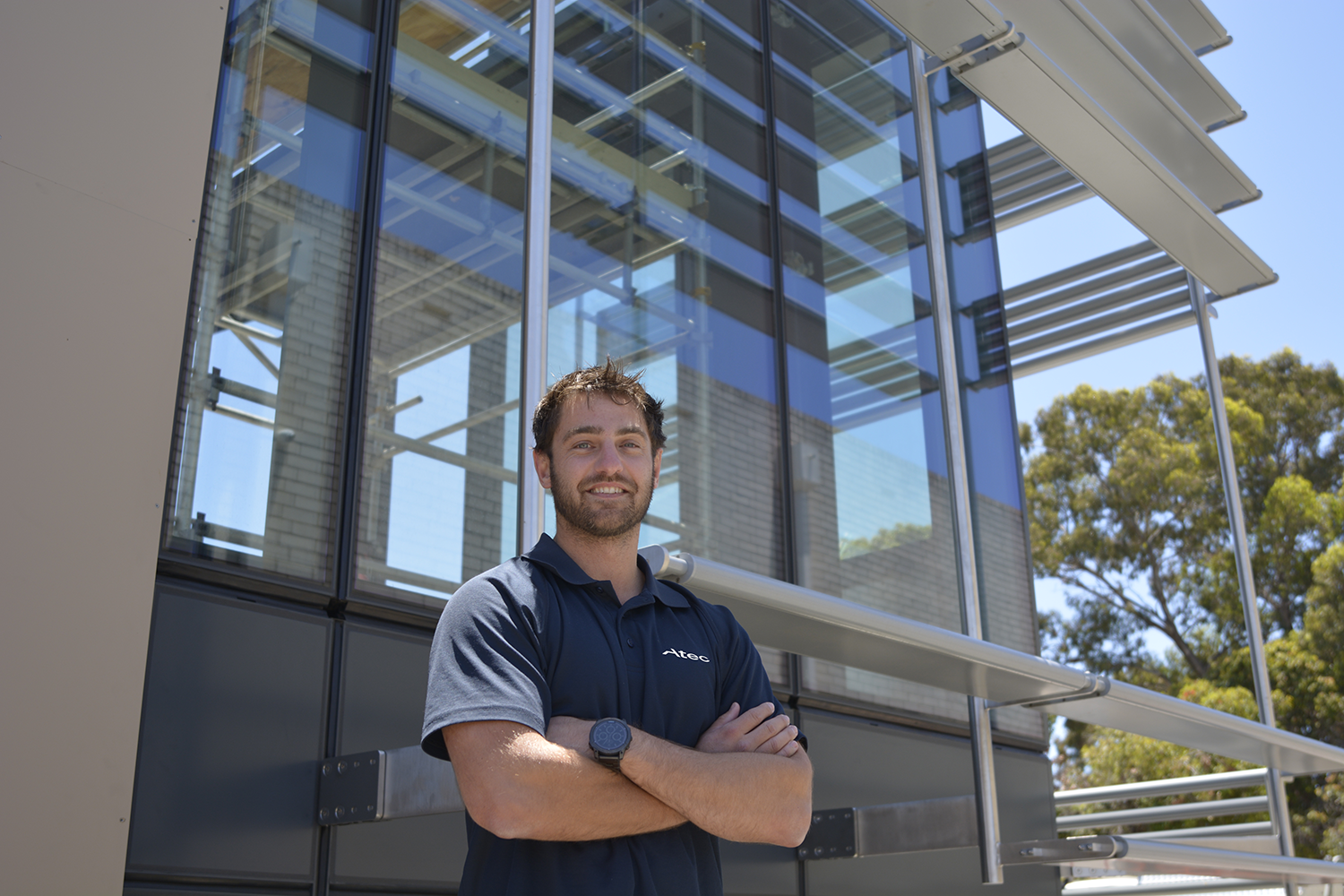
Atec Façades (ATEC) is Duratec’s new specialist arm for façade builds, headed by Grant Oliver, Duratec’s National Facade Manager and now Managing Director at ATEC.
We sat down with Grant Oliver, fresh from a site tour, to uncover what ATEC is working on, what sets it apart in the industry, and Grant’s vision for its future.
Grant, what is ATEC and why launch it now?
“ATEC is Duratec’s specialist arm for new façade builds. We’re formalising capability that’s been growing within the business, so we can deliver complex, design‑led façades, end‑to‑end, rather than focusing only on remediation. The aim is a bespoke, better‑value service for clients and a clearer pathway from concept to installation.”
Your path into façades?
“I’m a cabinet maker by trade, then progressed into residential/commercial facades early in my 20’s. That grounding in precision fabrication drew me into façade design, procurement and installation. I was able to work with both national and international companies delivering specialised façade for new major building projects. I then had the opportunity to transition into façade remediation with Duratec. Those experiences with materials, buildability and logistics were crucial in shaping how we’re building ATEC today.”
What makes ATEC different from typical façade contractors?
“We lead in the digital space: all design is done in 3D, while still providing 2D deliverables as an industry standard. Full 3D workflows (BIM) give better visualisation, tighter materials/quantity and cost control, and earlier design‑for‑manufacture decisions. It also accelerates R&D – testing new materials, fabrication techniques, and installation sequences – and lets us share those insights with site teams and clients during the build.”
How does the delivery model work in practice?
“We keep the chain in‑house: design > ordering > fabrication > delivery; in order to streamline logistics and reduce hand‑offs. When scale requires overseas manufacturing, the same 3D backbone keeps factory and site aligned, improving quality, safety, and schedule reliability.”
How does façade engineering differ from general building construction?
“Think function and fashion. The façade protects occupants from the environment (thermal, moisture, acoustic, fire) and defines how buildings are remembered. Engineering the ‘envelope’ means balancing performance, aesthetics, maintainability, and constructability, often in live, constrained environments.”
Biggest challenges, and your solutions?
- “Material selection: meeting performance, compliance, and aesthetic requirements while ensuring availability.
- “Supply chain & international coordination: banking, logistics, and communication across borders on large packages.
- “Live environments: planning shutdowns/lane closures and sequencing installation to minimise disruption.
“Our solutions are Early Contractor Involvement (ECI), 3D planning, disciplined program coordination, and diversified procurement, backed by Duratec’s commercial strength.”
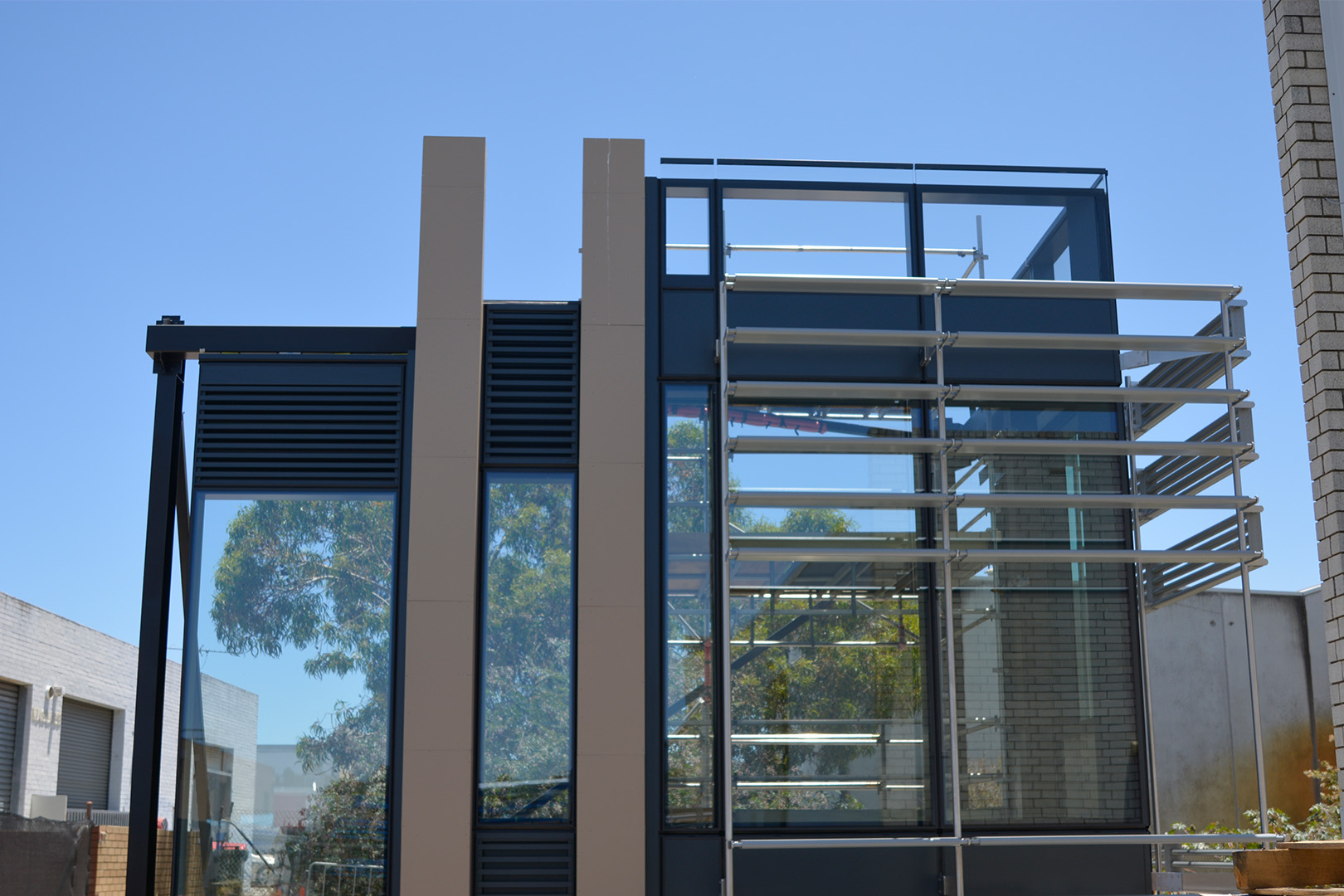
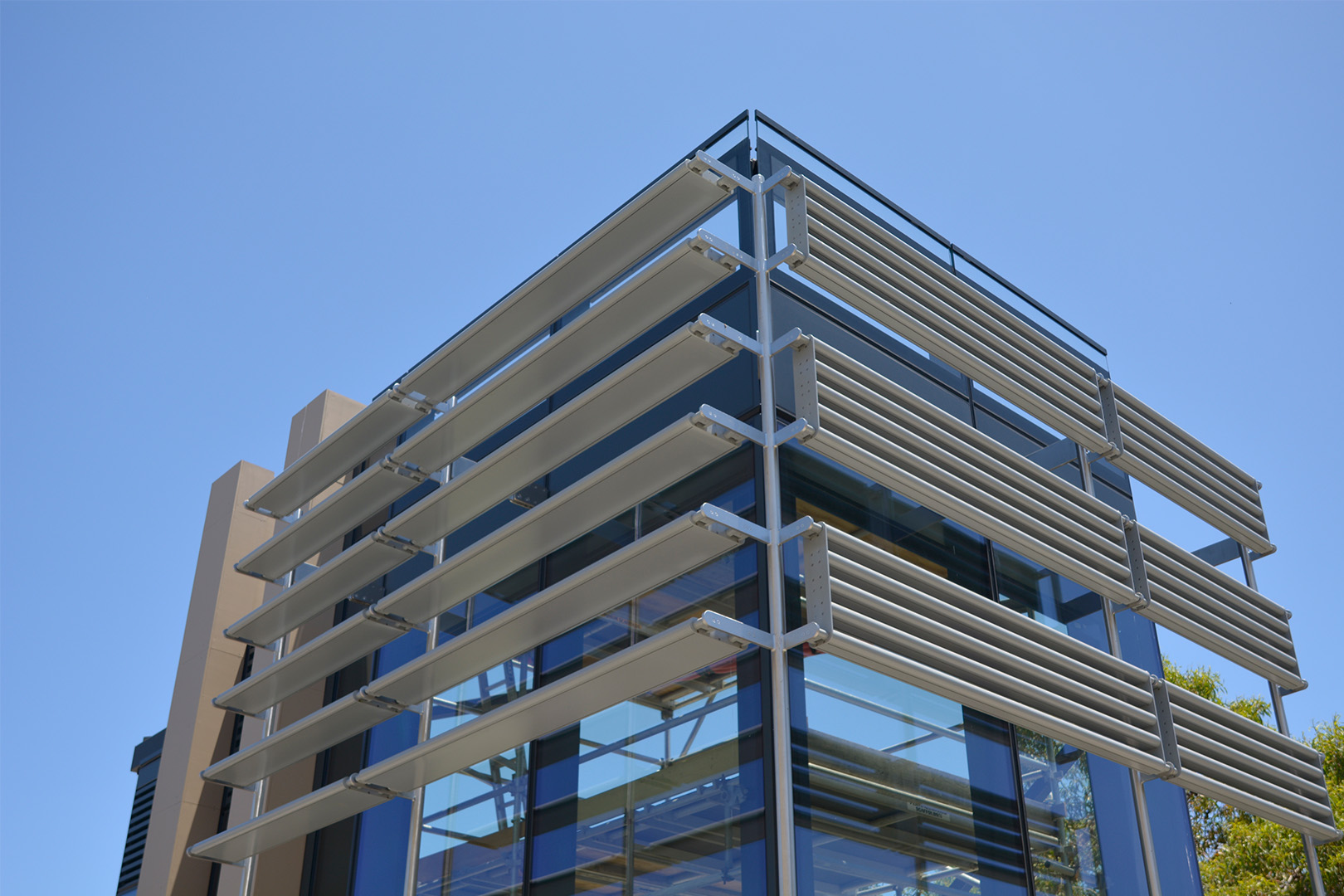
Where is ATEC working right now (I can see the 12×12 metre mock-up in the car park) and what are you learning?
“Curtin University in Perth: A large package that’s proving what ATEC can do. We’re using local performance/visual mock‑ups to align stakeholders and train crews, while selectively engaging overseas fabricators where scale makes sense.
“As you’ve seen, we have the mock-up in the car park at the moment which shows us and the client what we envision and what we are capable of.
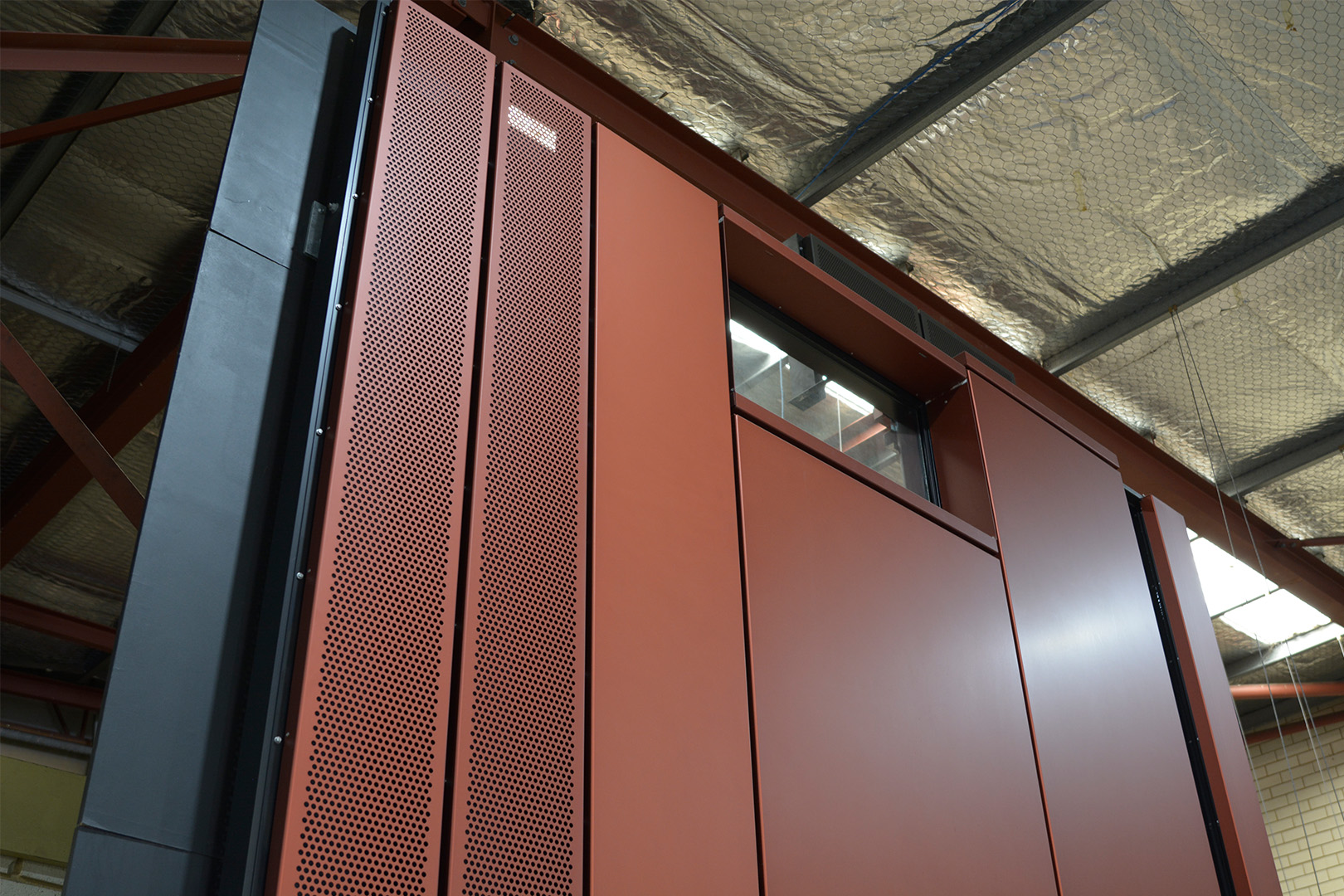
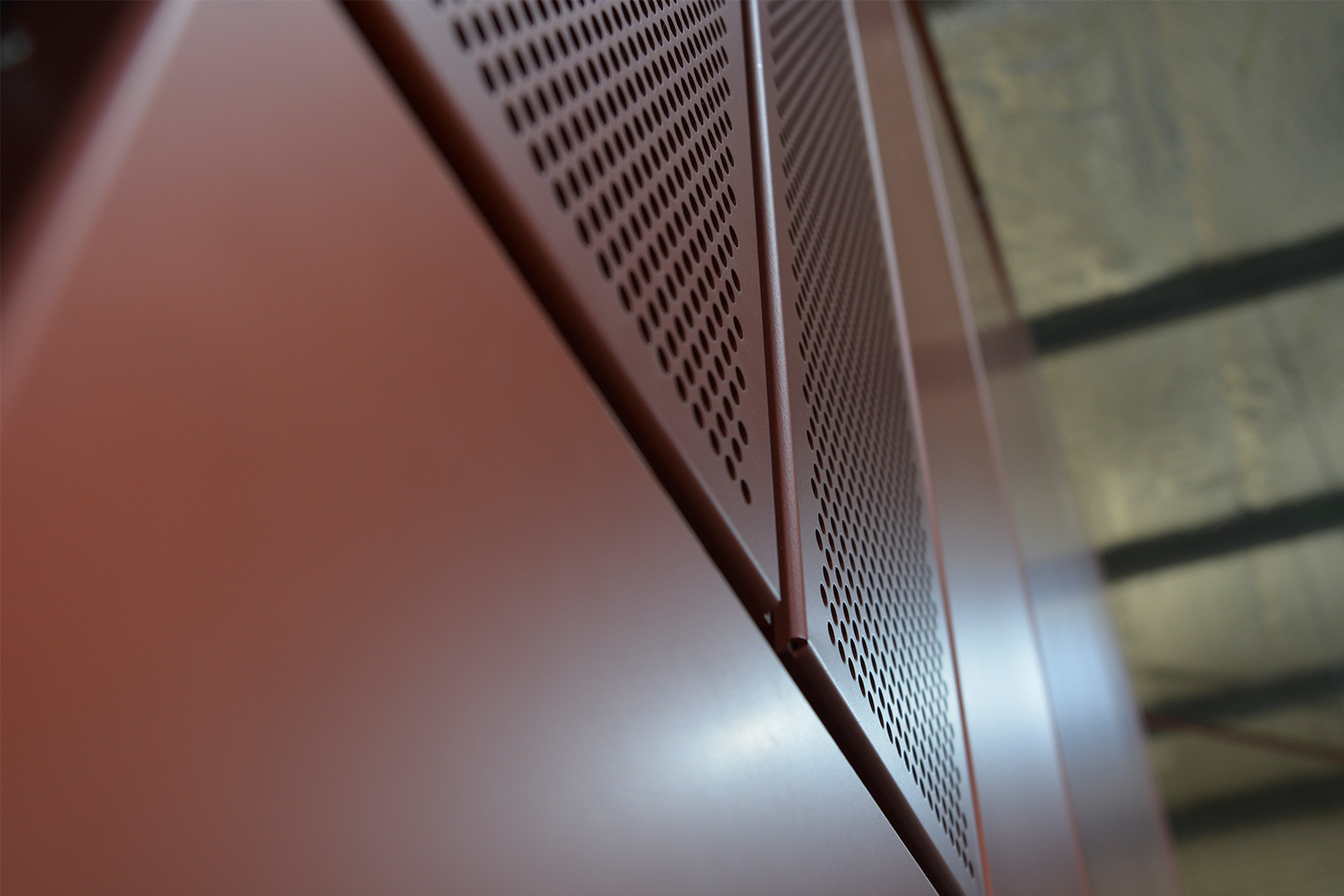
“We’re also nearing completion of the Northern Territory Art Gallery’s façade installation. We carried out ECI, collaborating with Sitzler and other design consultants to optimize construction and aesthetics through 3D design and modelling.
“We developed a new cassette panel system for anodised aluminium cladding, coordinated design reviews, procurement, and fabrication, and even created a prototype to validate the concept. We hope to have this completed by mid-2026.”
How does Duratec collaborate with ATEC?
“Early Contractor Involvement (ECI). We’re looped in at concept/tender stage. We model options, test buildability, firm budgets, and decide what to fabricate in factory versus assemble on site. Opportunities for ATEC are opportunities for Duratec, we operate with a collaborative, one‑company mindset.”
Team culture and what’s next?
“We’ve got a good, growing team that blends years of experience with new digital and practical problem‑solving, that’s what sets us apart. Next up: we finish Curtin University and NT Art Gallery, solidify our position in WA and NT, and keep learning and scaling nationally.”
This collaboration with ATEC will allow Duratec to optimise design, improve constructability, and deliver cost certainty for clients. ATEC is an exciting evolution for Duratec, and the company looks forward to ATEC’s continued growth and contribution to national operations.